Homeowner’s Guide: Tub vs Shower Conversion (What Should You Choose?)
Should You Keep Your Tub or Convert It?
When planning a bathroom upgrade, one of the most common decisions homeowners face is whether to keep their bathtub or move forward with a tub vs shower conversion. This choice goes beyond appearance—it directly affects how functional, comfortable, and practical your bathroom will be for everyday use.
Many older homes still have traditional bathtubs that are rarely used. At the same time, modern homeowners are prioritizing convenience, accessibility, and low-maintenance solutions. Understanding how you use your bathroom is the first step in making the right decision.
Why Many Homeowners Choose Shower Conversions
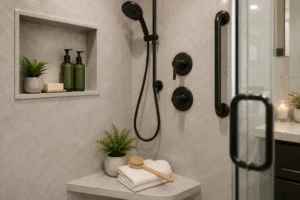
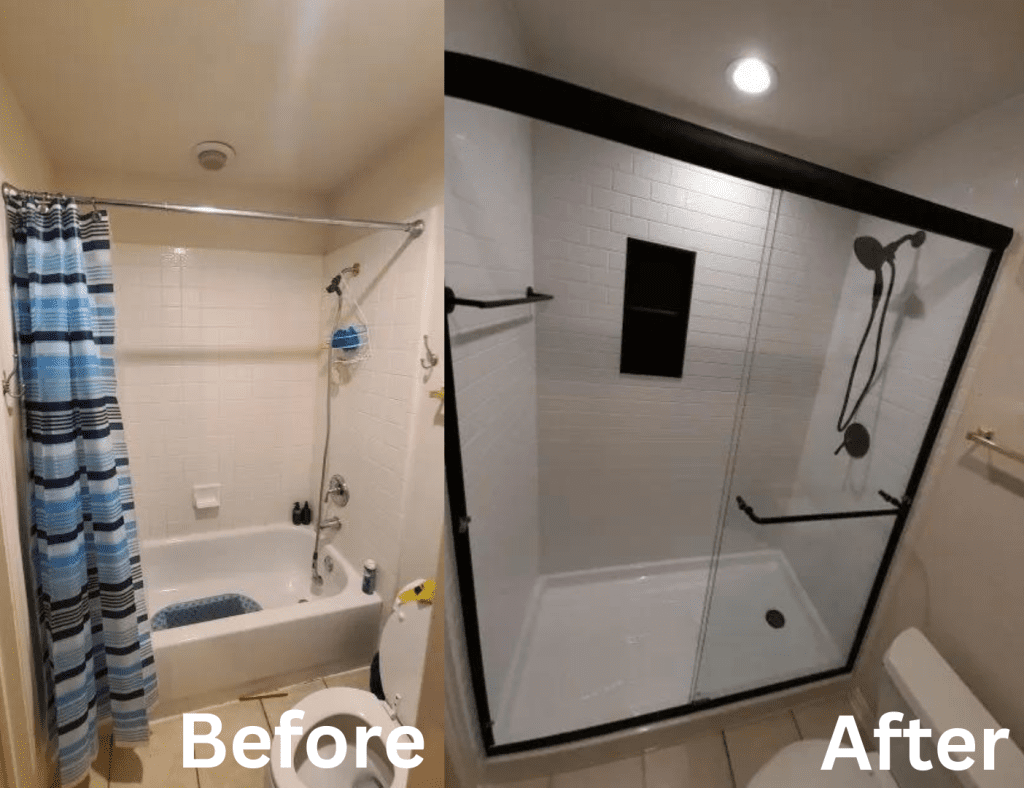
In recent years, shower conversions have become one of the most popular bathroom upgrades. Homeowners are choosing to replace their tubs with walk-in showers for several practical reasons.
Key benefits include:
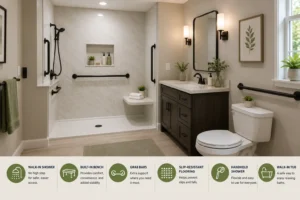
- Easier entry and exit, especially for older adults
- Better use of space in smaller bathrooms
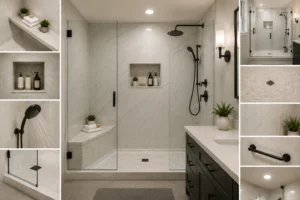
- A clean, modern appearance that updates the entire room
- Easier cleaning and lower maintenance over time
Walk-in showers are especially appealing for homeowners who want a more open and functional layout. They also work well for busy households where quick, efficient use of the bathroom is important.
When Keeping a Tub Makes Sense
While shower conversions offer many advantages, there are still situations where keeping a bathtub is the better option.
You may want to keep your tub if:
- You have young children who rely on baths
- It’s the only bathroom in your home
- You’re thinking about resale value and want to appeal to a wider range of buyers
In many cases, homes benefit from having at least one bathtub, even if other bathrooms are converted to showers.
Cost and Value Considerations
From a cost perspective, a tub to shower conversion is often more affordable than a full bathroom remodel. It focuses on upgrading one key area while still delivering a noticeable improvement in both style and functionality.
In terms of value, conversions can make your home more appealing to modern buyers, especially those looking for updated, easy-to-use spaces.
How to Decide What’s Right for You
The best choice depends on your lifestyle and long-term plans. Ask yourself:
- How often do I actually use my tub?
- Do I need better accessibility?
- Am I remodeling for comfort or resale?
Answering these questions will help guide your decision.
Homeowner Tip
If your bathtub is rarely used, converting it into a shower can significantly improve your daily routine while also modernizing your space.
FAQ
Does converting a tub to a shower increase home value?
In many cases, yes—especially if the home still includes at least one bathtub elsewhere.
How long does a conversion take?
Some projects can be completed quickly, depending on the complexity and existing layout.
Is a shower safer than a tub?
Showers are generally easier to access and can be designed with safety features like low thresholds and grab bars.